

How to Calculate Bill of Material Costing: A Comprehensive Guide
Understanding Bill of Material Costing
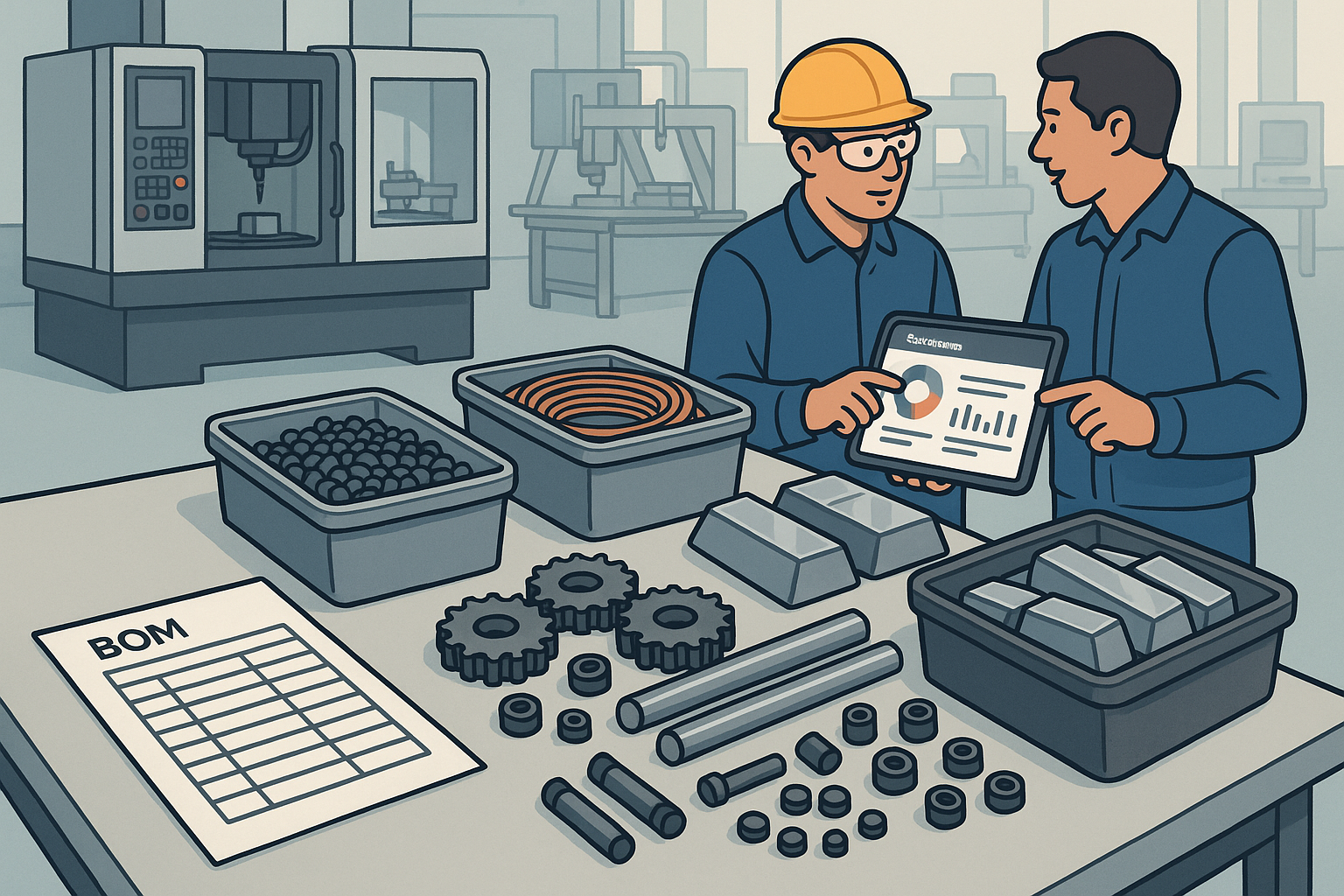
Understanding Bill of Material Costing involves a deep dive into the components that contribute to the overall expense of manufacturing a product. To calculate bill of material costing, manufacturers need to account for every piece of raw material required, along with labor costs and overheads. This process starts with a detailed breakdown of each component listed in the bill of materials (BOM), ensuring that all costs are captured accurately.
When it comes to cost estimation, utilizing the best cost estimation tools for manufacturing can streamline this process significantly. These tools offer features such as automated calculations, historical data analysis, and integration with inventory systems, which help in crafting precise cost estimates. Moreover, employing costing synchronization techniques for projects ensures that all departments are aligned on cost projections, reducing discrepancies and improving overall productivity.
Material cost analysis for production is another crucial aspect that aids in identifying potential areas for cost savings. By analyzing trends in material prices and evaluating supplier options, manufacturers can make informed decisions that ultimately affect their bottom line. Furthermore, fabrication cost estimation methods play a vital role in predicting expenses related to labor and machinery, providing a holistic view of production costs.
In today’s competitive manufacturing landscape, understanding and optimizing bill of material costing is essential for profitability. By leveraging advanced tools and techniques, businesses can enhance their cost-effectiveness and operational efficiency. For those looking to streamline their costing processes and gain a competitive edge, exploring the offerings at Lokalix Solutions can be a game-changer. For more information or to request a demo, visit lokalix-solutions.com or contact us directly.
Best Cost Estimation Tools for Manufacturing
In the ever-evolving landscape of manufacturing, leveraging the right cost estimation tools is essential for companies aiming to optimize their operations and enhance profit margins. Understanding how to calculate bill of material costing is crucial, as it lays the groundwork for accurate production forecasts and budget adherence. By utilizing specialized software, manufacturers can streamline this process, ensuring all components and materials are accounted for, which directly impacts overall project costs.
Among the best cost estimation tools for manufacturing, several standout options offer robust features for material cost analysis for production. These tools enable users to break down costs associated with raw materials, labor, and overhead, providing a comprehensive view of what it takes to bring a product to market. Moreover, advanced costing synchronization techniques for projects allow for real-time updates and adjustments, ensuring that all stakeholders remain aligned throughout the production cycle.
When it comes to fabrication cost estimation methods, manufacturers are increasingly turning to integrated solutions that combine historical data with predictive analytics. This approach not only enhances accuracy but also speeds up the decision-making process. As a result, businesses can react swiftly to market changes, optimizing their resource allocation and minimizing waste.
Implementing these best practices and tools not only fosters efficiency but also contributes to a culture of continuous improvement within manufacturing organizations. For those looking to elevate their cost estimation processes, exploring innovative software solutions is a vital step. To see how Lokalix Solutions can transform your cost estimation strategies and improve your bottom line, visit lokalix-solutions.com or reach out for a demo today.
Effective Strategies for Bill of Material Costing
Calculating Bill of Material (BOM) costing is crucial for effective manufacturing management and cost control. To determine BOM costing, start by itemizing all components required for production, including raw materials, subassemblies, and labor. Each component’s unit cost should be calculated, and then these costs must be summed to arrive at the total BOM cost. This process allows manufacturers to gain a clear insight into production expenses, enabling better budgeting and financial forecasting.
Utilizing the best cost estimation tools for manufacturing can significantly enhance the accuracy of BOM costing. Software solutions like Autodesk, SolidWorks, and Costimator provide robust functionalities for analyzing material costs and labor expenses. These tools facilitate quick adjustments and simulations, making it easier to evaluate various scenarios and choose the most cost-effective options.
Costing synchronization techniques are essential for aligning BOM costs with project timelines and budget constraints. Implementing a centralized costing system can help ensure that all stakeholders have access to the latest data, fostering collaboration and preventing discrepancies. Regular updates and reviews of BOM costs in relation to ongoing projects can also help to identify areas for cost reduction and efficiency improvements.
Moreover, material cost analysis for production is vital in today’s fluctuating market. By continuously monitoring market trends and supplier pricing, manufacturers can adjust their BOM to reflect real-time cost changes. Fabrication cost estimation methods should also be employed to assess manufacturing processes, labor requirements, and overhead expenses. Techniques such as parametric modeling and historical data analysis can provide invaluable insights into cost-saving opportunities.
For businesses looking to refine their BOM costing strategies, exploring advanced solutions and requesting a demo from Lokalix Solutions can be an excellent step forward. Visit us at lokalix-solutions.com for more information.
Costing Synchronization Techniques for Projects
In the realm of project management, particularly in manufacturing, employing effective costing synchronization techniques is vital for ensuring projects remain within budget and meet timelines. One of the foundational aspects of this process is understanding how to calculate bill of material (BOM) costing. A BOM outlines the raw materials, components, and subassemblies required for production, enabling project managers to assess total material costs accurately. By meticulously calculating BOM costing, businesses can avoid overspending and streamline procurement processes.
To enhance accuracy in cost estimation, utilizing the best cost estimation tools for manufacturing is essential. These tools provide robust frameworks for analyzing various cost factors, including labor, overhead, and materials. By integrating advanced software into their workflows, organizations can achieve better visibility into their expenditure and make informed decisions that align with their financial goals.
Costing synchronization techniques for projects often involve regular material cost analysis for production. Analyzing material costs can identify trends, potential overruns, and areas for cost reduction. This proactive approach allows teams to adjust their strategies dynamically, ensuring they stay aligned with project budgets and timelines.
Moreover, understanding fabrication cost estimation methods can significantly impact project outcomes. Techniques such as parametric estimating and analogous estimating allow project managers to leverage historical data and expert judgment to forecast costs accurately. When these methods are combined with real-time data from cost estimation tools, organizations can enhance their project planning and execution.
For businesses looking to refine their costing strategies, exploring these methodologies can lead to improved financial performance and project success. To learn more about how Lokalix Solutions can assist you in optimizing your costing processes, visit lokalix-solutions.com or contact us directly for a demo.
FAQ
What is a bill of material?
A bill of material (BOM) is a comprehensive list of materials, components, and assemblies needed to manufacture a product.
Why is material cost analysis important?
Material cost analysis helps manufacturers understand expenses, optimize budgets, and improve profitability.
What are some common fabrication cost estimation methods?
Common methods include historical data analysis, parametric estimation, and bottom-up estimating.
How can I synchronize costs across multiple projects?
Utilize cost estimation software and implement standardized costing techniques to ensure consistency across projects.
What are effective strategies for bill of material costing?
Effective strategies include regular updates, collaboration with suppliers, and using advanced cost estimation tools.
Learn how to calculate bill of material costing effectively with strategies and tools for accurate cost estimation in manufacturing. For more information, visit lokalix-solutions.com.


